Poison gases in war
For the most part deployed by Germans in the First and Second World Wars.

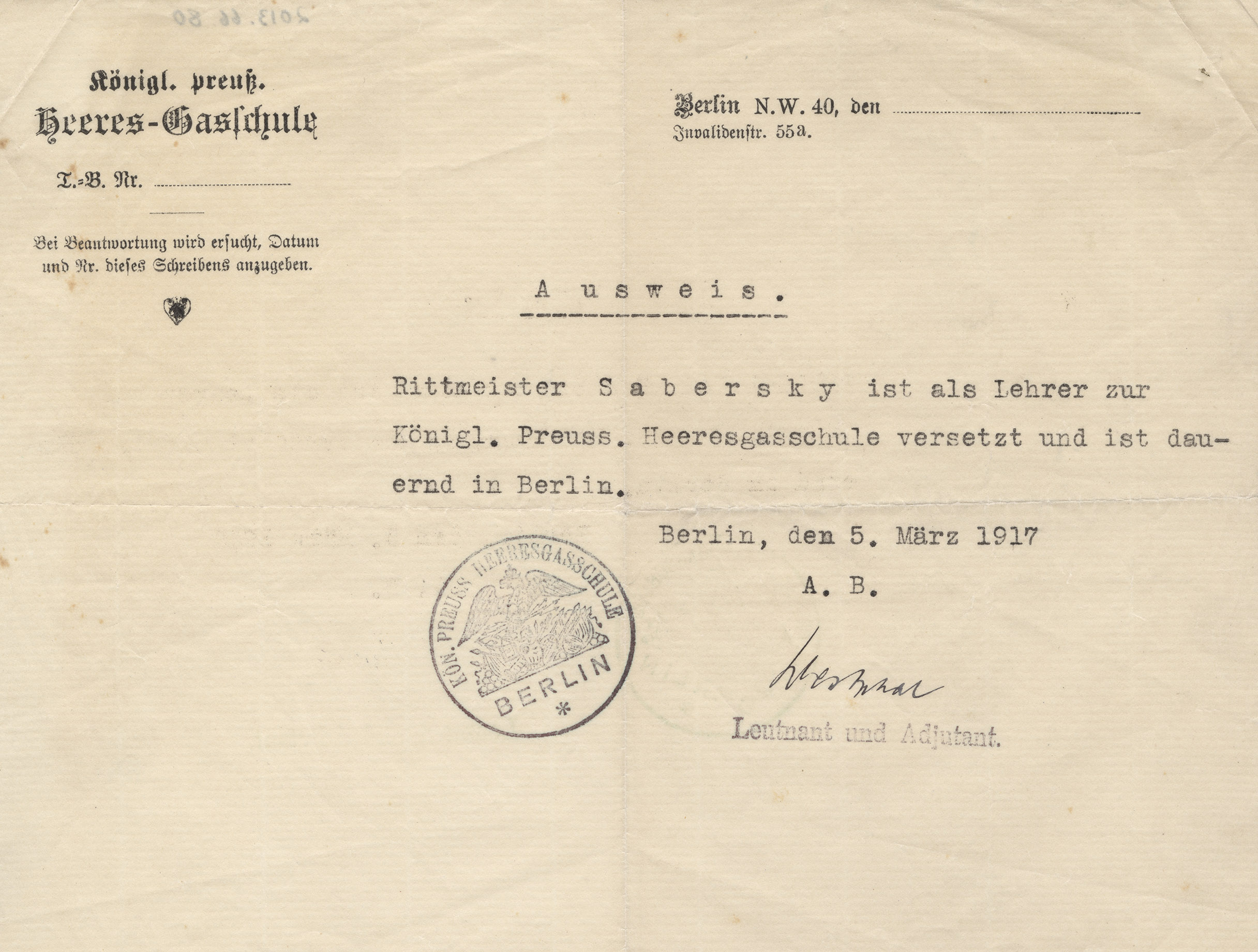
Chlorine, carbon monoxide, phosphine and phosgene etc. were among the first poison gases to be used as such in war. These gases are produced naturally in drying and fermenting hay and silage, and responsible for the deaths of farmers who fall in grain bins or silos.
The German G-series nerve agents Tabun, Sarin, Soman and VX comprised a second generation of poisonous gases to be deployed in war. These gases are found most naturally in the partially decayed but still living trunks of so-called “poisonous trees” — perhaps produced by a hardwood tree's immune system to protect it from rot.
The production and stockpiling of G-series nerve agents, “mustard gas” etc. is said to be strictly regulated by “law” but that is only because of the laws of nature that make such gases chemically unstable, corrosive, and highly perishable, quickly degrading over time, not because of NATO or any polite gentlemen's agreement.

 CDC
CDC
Loggers who took every precaution to protect their eyes, ears and all other members from injury have on rare occasions keeled over dead without any physical injury or other medical explanation after felling such “poisonous trees.”
If logging is such a profession that one will surely die when embarking on it, and that is the tree of the knowledge of good and evil, its use in war is then the fruition of it, while the tree of life is the good sound healthy tree whereby one makes a living in that profession, the chainsaw being quite literally the flaming sword that turns every way. But we as humans do not become angels by bearing a chainsaw, and the deaths incurred by logging include also those caused by fires in wooden structures and paper records. If loggers were angels, being in the business of “falling,” they would namely be “fallen” angels, and is surely not the characterization they would desire out of love for their own souls.
The tree of life is not a tree of graft or corruption, but a tree true to its rootstock yielding fruit, whose seed is in itself, after his kind.
[1 John 3:9] Whosoever is born of God doth not commit sin; for his seed remaineth in him: and he cannot sin, because he is born of God.


The Japanese word tabun (多分) in English is literally “for the most part” — “probably” or “maybe” but obviously to deny or hedge against any promise or bet and to express significant reservations against making a flat statement.
It seems likely that sarin refers to sayonara, or, more literally, 左凛 (?), “that cold.”


Literally, “if that's the way it is”.
And soman refers to noodles (German „Nudeln“) in Japanese.
 Namiko Hirasawa Chen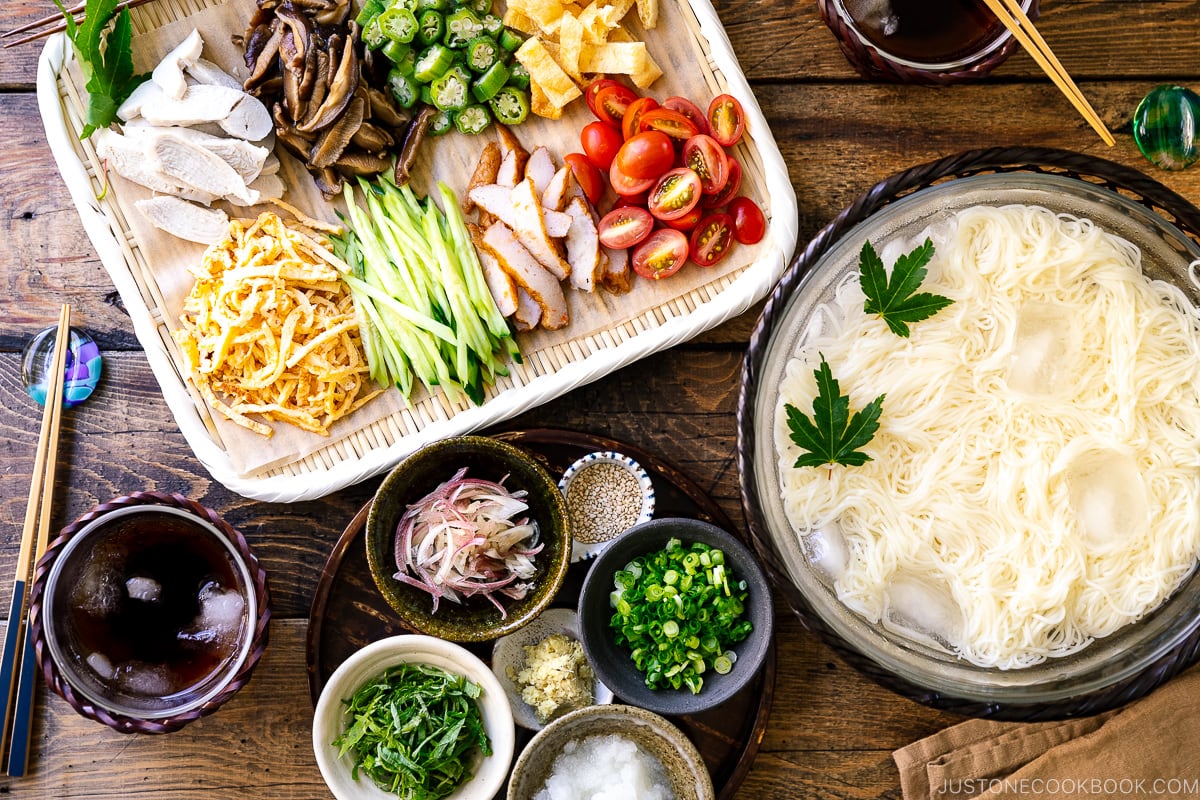
The terms make sense in Japanese. To read or listen to them or similar recognizable phrases, the meanings are bland and inoffensive, but at the same time all the attitudes and horrors of war become immediately apparent. Such attitudes namely reflect centuries of labor resentment, hatred, and “lower lip” directed to a very large extent at Jewish business owners. We can’t lie about medieval Jewry, mercantilism, industrialism, capitalism, communism, and medieval European and Asian perceptions of Jews and Judaism.