The Alaska Triangle
Of unexplained disappearances, mass murder, and murder-for-hire
I don’t buy the risk-taking theories, the suicide explanations or the police reports with “no foul play suspected.”
I have been out in the wilderness. Bears, wolves, cougars, other large animals, even wolverines, generally leave you alone if you leave them alone. I have never been bothered by them at any rate. Humans are at the top of the food chain and are not the natural prey of any known predator or carnivore.
Most people who camp out are prepared for the weather, so I don’t buy death from exposure in large numbers either. People who “enjoy” the snow and ice enough to be outdoors are well prepared for frosty mornings. Are you new here as a cop or social services provider? We young and old-timers, healthy, present, living and accounted for are not, but we are well aware of the hatred and inhospitality you bear toward us.
 Mike Richard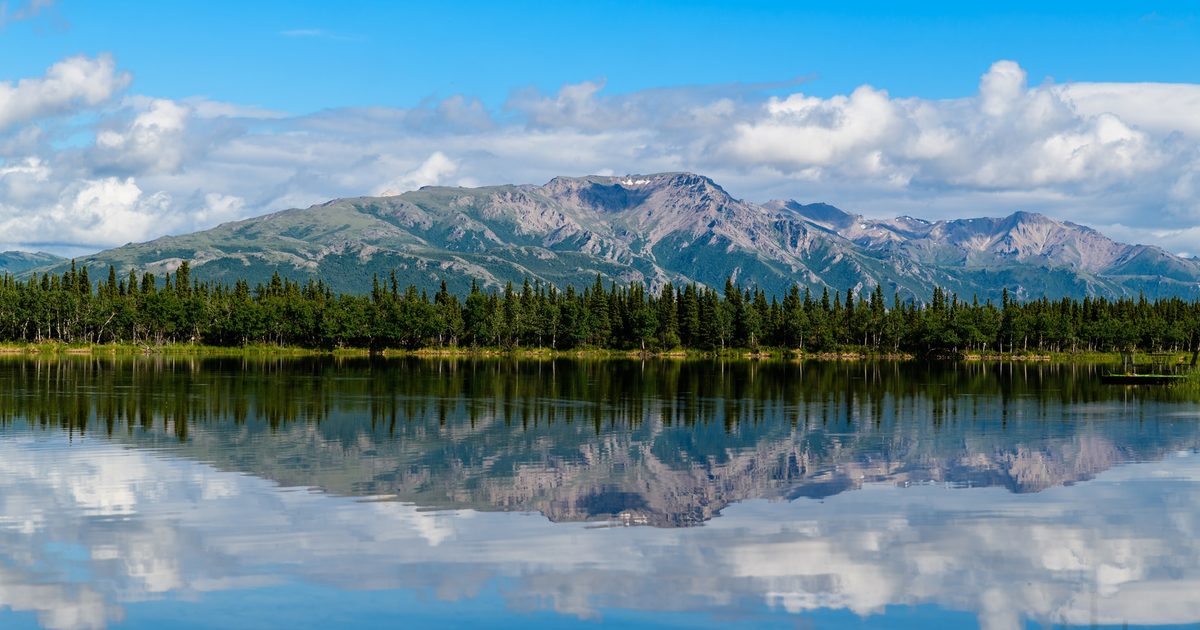
The borders of the Alaska Triangle connect Anchorage and Juneau in the south to Utqiagvik (formerly Barrow) along the state’s north coast, three places that also rank among the best times and places to visit in Alaska, depending on the season. Like much of Alaska, especially regions explored on a true Alaskan wilderness road trip, the Triangle contains some of the most rugged, unforgiving terrain in North America. It’s an impossibly vast expanse of dense boreal forests, craggy mountain peaks, alpine lakes, and large swaths of plain old wilderness. Amid this dramatic backdrop, it’s hardly surprising that people go missing. What is surprising, however, is the sheer number of people who go missing. Add to that the fact that many disappear without a shred of evidence, and bodies (alive or dead) are rarely found.
 Staff Reports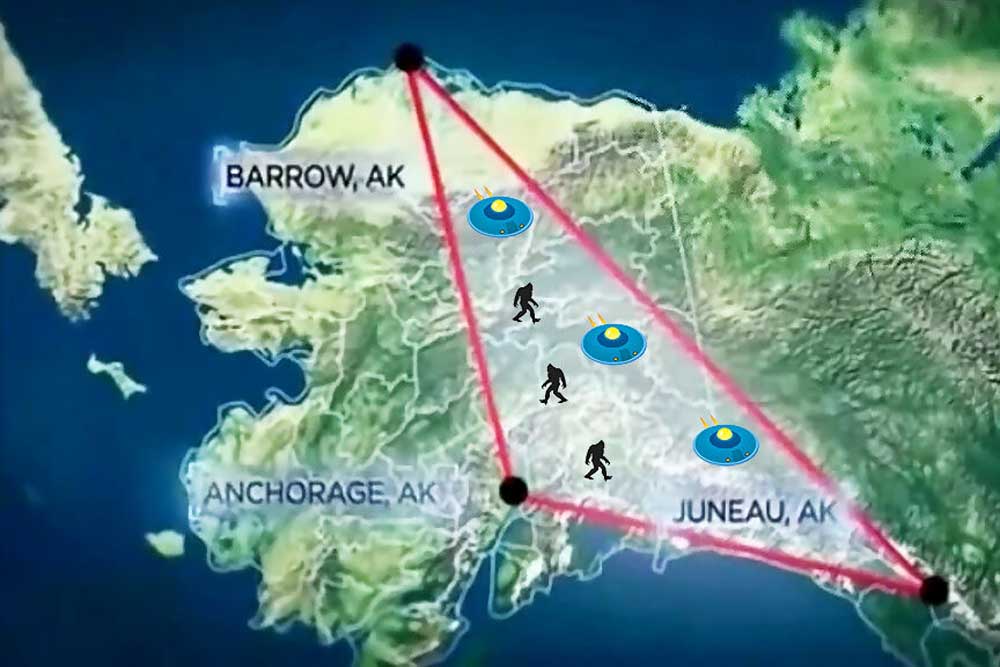
 Austin Harvey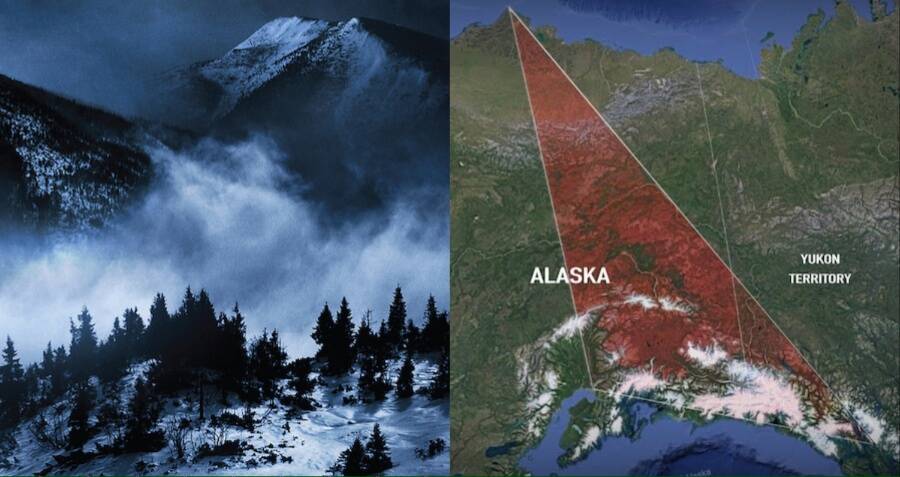
 Scott Hobbs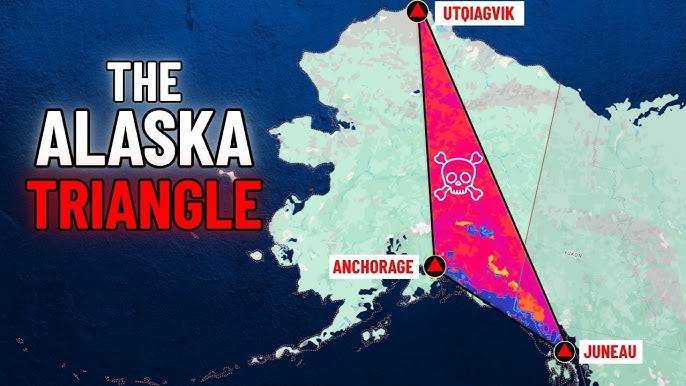
 Suzie Dundas