Filthy hospitals, criminal medical quackery, medical malpractice, declining standards of care and the enshittification of health care in America

With a typical regression and backsliding of standards of medical care toward medieval mayhem, naval butchery and narcotics for recreational use

“Enshittification” is a term coined by Cory Doctorow, typically applied to online platforms. From some lectures a few years ago it has made its way into Merriam-Webster’s online dictionary.

“Health care,” inasmuch as it consists of some diagnosis or another to be served on us, with official treatment plans or prescriptions, is nothing but another online platform, subject to all the rot and corruption of things online.

My McLuhan lecture on enshittification
Live from Berlin.
enshittification
Enshittification is an informal word used to criticize the degradation in the quality and experience of online platforms over time, due to an increase in advertisements, costs, or features. It can also refer more generally to any state of deterioration, especially in politics or society.

Medical care in America, such as it exists today, is no longer practiced for decency, kindness, compassion, altruism or in accordance with any true faith. It is practiced out of lust for the carnage of human flesh and greed for filthy lucre.

Morally and financially prudent and conservative persons are shut out of the medical profession entirely by the extreme levels of debt bondage required to enter medical school because of the exorbitant tuition demanded by those schools and because of the availability of easy loan money for that purpose, which must be paid back, by us the patients who ultimately foot the bill for their medical atrocities.

Thus only morally depraved, wicked and foolish or greedy persons affected by inordinate lusts for mayhem and carnage of human flesh and insatiable appetites for recreational narcotics are permitted to become educated in medicine and to practice it as a profession. Medicine as a profession, including all dental, visual, orthodontic, psychiatric and all such medically associated professions, exists in America today as an institution of forced vaccination wholly given over to evil.

An Introduction to Medical Malpractice in the United States - PMC
Medical malpractice law in the United States is derived from English common law, and was developed by rulings in various state courts. Medical malpractice lawsuits are a relatively common occurrence in the United States. The legal system is designed…

The trouble we run into going to “law” over medical malpractice is legal malpractice, which is just as prevalent as medical malpractice, since the legal profession is in no better shape than the medical profession, for many of the same reasons. Narcissistic sociopaths and psychopaths become lawyers under a similar program of education as that for medical doctors.

Lawyers talk and argue in court, and ultimately they are not capable of much harm, because the lies they tell become apparent for what they are, and to some extent the courts can deal with them, but without decent well-educated lawyers, there is no longer a decent court system to adjudicate criminal and civil cases, and these cases are aggressively punished and prosecuted “off the books” by police and other authorities without the involvement of courts.

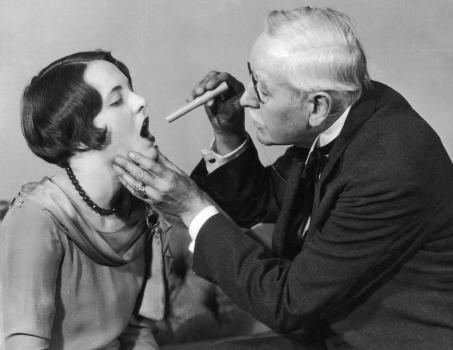
Standard of care by doctors may drop with years spent in practice - PMC

These doctors have been in business too long, and various shoddy “routine” practices which are ultimately harmful to the human body have become prevalent and taken root throughout America.

State Medical Boards, Licensure, and Discipline in the United States - PMC
A brief history of medical licensing and regulation is presented along with common causes for medical board complaints and general medical–legal issues to consider if a psychiatrist becomes the subject of a medical board complaint.

There are no national standards of medicine. Instead, doctors are rewarded positively or else punished and disciplined state by state and district by district, whatever they are allowed to practice or not practice by the pimps, madams and gentlemen of the district in each locality where they serve.


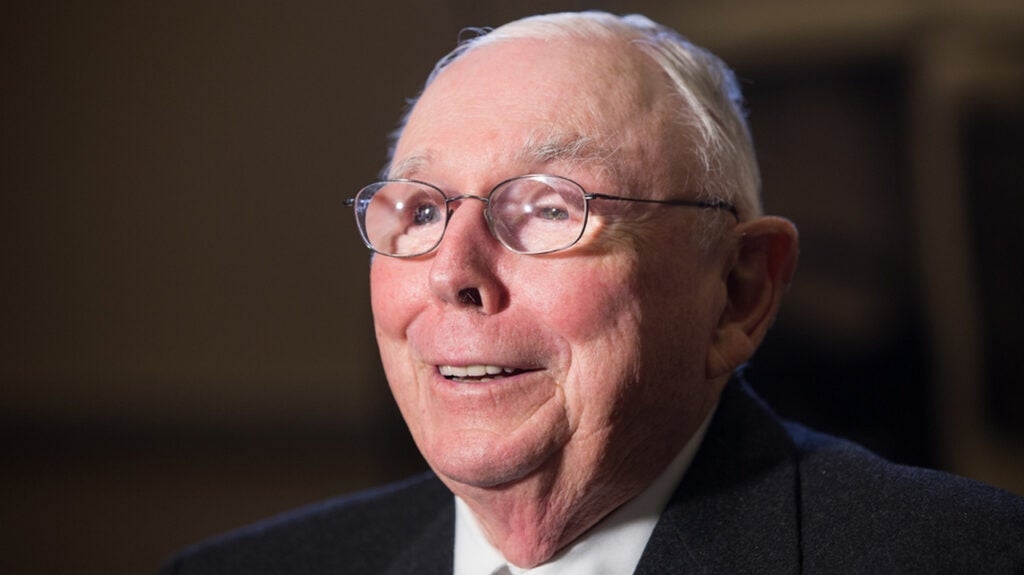
Charlie Munger Said It’s Evil And Asinine To Keep Pumping Chemotherapy Into People ‘That Are All But Dead’ Just To Make Money ‘After The Game Is Over’
Medicine has never been a polite topic for longtime Berkshire Hathaway Vice Chair Charlie Munger. The late investing legend spent decades dissecting markets, businesses and human behavior, and when the conversation turned to healthcare, he applied the same blunt logic. During a 2018 appearance on Fox Business, Munger told host Liz Claman that one corner of modern medicine bothered him deeply. In his view, some treatments continue long after their benefits disappear, creating suffering and massive costs with little chance of helping patients. When treatment becomes profit Claman asked Munger about remarks he had made criticizing how the U.S. healthcare system sometimes handles end-of-life care. Munger did not soften the point. “It’s asinine to pour a load of chemotherapy into people that are all but dead,” Munger told Claman. “It makes them miserable, costs them a lot of money, does no good for anybody.” He went even further, arguing that financial incentives can push treatment beyond the point where it helps. “It’s not too much to say that it’s evil,” Munger said. The Berkshire Hathaway leader had served on hospital boards and said those experiences shaped his view of how the system works. His criticism focused on cases where aggressive treatments continue primarily because they generate revenue rather than meaningful medical benefit. Even Munger would “throw a long bomb” Claman then posed a personal scenario. What if Munger himself were diagnosed with cancer and doctors said there was at least a chance treatment could extend his life? Munger answered differently than some viewers might expect. “I would of course try,” he said. “I would maybe throw a long bomb.” Trending: Most founders obsess over the wrong hires. See the 5 startup roles that actually determine whether a company scales or stalls. But he quickly added that there is a point where medicine should recognize reality. “There comes a time when the game is over,” Munger said. “And then it’s wrong to keep treating to make money after the game is all but over.” The distinction, in his view, was between trying a treatment with a real chance of success and continuing aggressive therapy when the outcome is essentially decided. Why Munger thought single-payer was inevitable The interview soon shifted toward the broader structure of American healthcare. Claman asked whether the U.S. could eventually move toward a single-payer system. Munger said the country already uses versions of it. “We have a lot of single-payer medicine now,” he told Claman, pointing to Medicaid and Medicare programs that already cover millions of Americans. He also pushed back against the idea that such systems destroy capitalism, pointing north for evidence. “In the other countries like Canada they have like Medicaid for all and nobody wants to give it back,” Munger said. “Canada hasn’t lost capitalism.” His argument was simple. Healthcare costs had grown from roughly 5% of U.S. GDP decades earlier to around 17%, a shift that Berkshire Hathaway Chair Warren Buffett once called a “tapeworm” on the American economy. Why Munger’s warning still resonates Munger died in 2023 at age 99, but his comments continue to echo in today’s healthcare debates. End-of-life treatment costs remain one of the most expensive parts of the U.S. medical system. Studies from the Centers for Medicare and Medicaid Services show a large share of lifetime healthcare spending occurs during the final years of life. That reality sits at the center of ongoing debates about cost, ethics and patient choice. Some doctors argue aggressive treatment offers hope. Others say the system often struggles to balance medical possibilities with quality of life. Munger’s point was not that medicine should stop trying. It was that incentives matter. And as with many of his remarks, the Berkshire Hathaway vice chairman delivered the message the same way he approached investing for nearly a century: bluntly, logically and without much concern for whether it made anyone uncomfortable. Image: Shutterstock

That's a beauty gig at the doctor's office going on in the cancer ward, too. They need to make other women and men lose their hair in order to feel more beautiful themselves.

Chemicals and drugs are not where doctors shine.