Efficient stone fireplaces or wood-burning masonry heaters for Alaska?
Don't sell masonry too hard in Alaska, and reinforce it really well if you do …
Choosing a good site with soil suitable for a strong foundation is the most important factor for success. A seismic hazard model might be useful, and watch out for permafrost! Masonry may also need additional pre-stressed steel reinforcement in Alaska for extra earthquake resistance.




Building codes are not enforced as “law” particularly in outlying rural areas of Alaska, but instead they are published and agreed upon informally as a set of industry “best practices” in accordance with national and international standards, with special consideration for earthquake resistance, additional insulation, and sealing of cold drafts while allowing for adequate ventilation and cooling in the summer.
“Types“ of efficient fireplaces or masonry heaters
- Russian (or German/Dutch/Danish etc.) fireplaces are typical traditional or contemporary “fireplaces” built with additional horizontal or vertical baffle chambers where the smoke is collected above the firebox between the throat and the mantle before going up the flue. Each baffle chamber has a cleanout with a cast iron door for removing soot and ashes, and sometimes a baking oven is included with an additional damper to control the flow of smoke around the oven and thus its temperature for baking.
- Finnish (or Belgian/Swiss/Swedish etc.) fireplaces circulate the smoke from a lintel- or corbel-supported baffle chamber above the firebox down underneath it in a fountain pattern on both sides of the firebox before sending it back up the chimney flue.
- Chinese (or Mongolian/Siberian etc.) fireplaces are essentially Finnish fireplaces built with a stone bed (or extended hearth big enough to sleep on) heated by smoke passing through the flue passages under it. They will definitely keep you alive in extreme cold, but the comfort of sleeping on a stone bed is debatable.
- Roman (or Italian/Spanish/French/Greek etc.) fireplaces are essentially Chinese fireplaces with a bathtub instead of a bed heated in the same manner. Fireplaces or wood-heated baths of this type were common throughout the ancient Roman empire, and many of them still exist as they were built two thousand years ago, the structures themselves being the only detailed record we have of their construction.
The Brick Industry Association publishes semi-official technical notes on the subject, particularly sections 19, 19A-19E, but very little authoritative information is available online.
The best strategy is probably to become apprenticed or skilled in general-purpose bricklaying and stonework at least on a do-it-yourself basis, and carefully read and work with existing plans and established techniques, while ensuring adequate steel reinforcement is used where advisable.
 Third Wave Digital - www.thirdwavedigital.com
 admin-mortonstones
 International Code Council (ICC)
 Andy Bagatini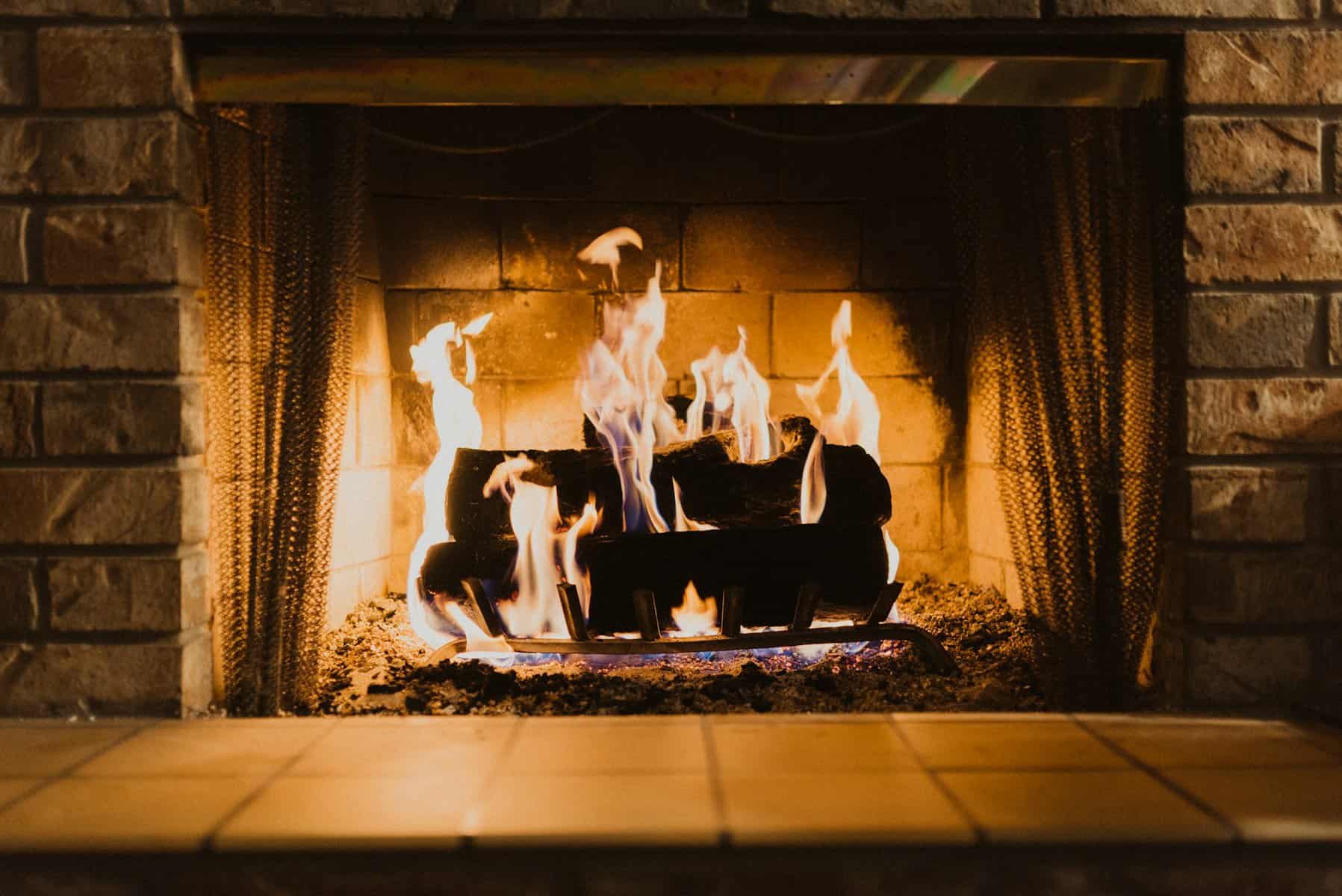
 Active Interest Media