Being the bigger person
In a culture of criminality and self-aggrandizement with a Freudian ‘slip of the tongue’ or two
 editorial process
The art of being the ‘bigger person’: And why that doesn’t mean you have to forgive and forget.
We’ve all been there. A situation has arisen where our hearts are broken, shattered and bruised. Our bodies feel like lava with a fury that burns. Our heads are cloudy with a fog which, if not tended to, could create a storm. Retaliating is a decision. A decision which could create a butterfly effect of more bad feeling — more negativity for ourselves. ¶And isn’t that the type of thing we all claim we want to avoid? So when people say ‘be the bigger person, move on’ what they really mean is: move on from any sabotage you could do to yourself and put your personal peace first. Having a day of no worries, no fear of more retaliation and total calm is worth the work, and your mental health will thank you in the long run.
If you've been hurt or injured somehow, and you are thinking about suing for damages in many cases like these, you would not want to take any rash or foolish actions which would not be financially advantageous to you in the long run. This is a situation when law-abiding citizens are very often forced to confront greedy white-collar criminals, with very limited options in their favor. A reputation of being petty and litigious is not going to benefit you in long-term situations where you really need to be the bigger person to survive.
 Sylvia Perez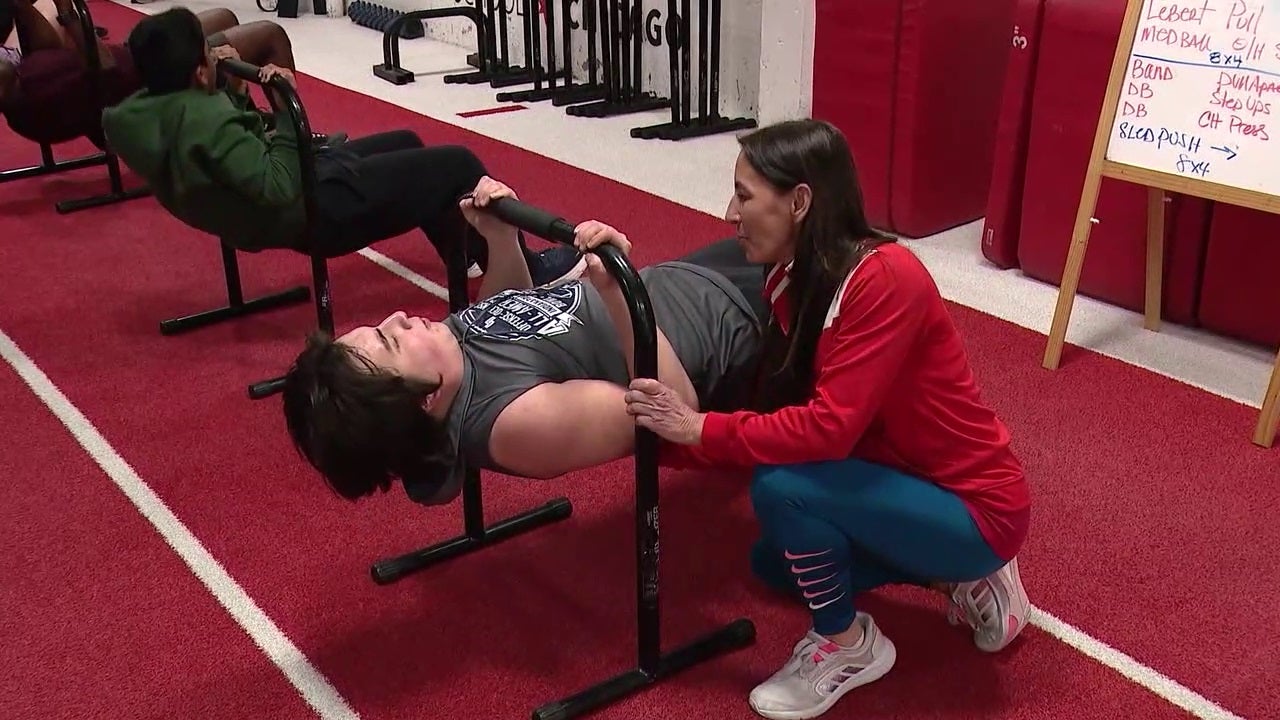
What we know: "Bigorexia is a term used to describe a type of muscle dysmorphia or body dysmorphia in which a person feels like they aren’t big enough. They aren’t muscular enough. They are too small despite what they may actually look like," said Dr. Huma Khan, head of adolescent medicine at Advocate Children's Hospital in Chicago.
Boys who bully just keep on bullying it up at law as they become men. Under present gun control laws, only bullies and tyrants are allowed to possess firearms, whereas boys who were bullied and beaten up in school are often served with mental health diagnoses which are used as excuses by cops to confiscate their guns and deprive them of their civil rights for the rest of their lives.
 Christiane Kehoe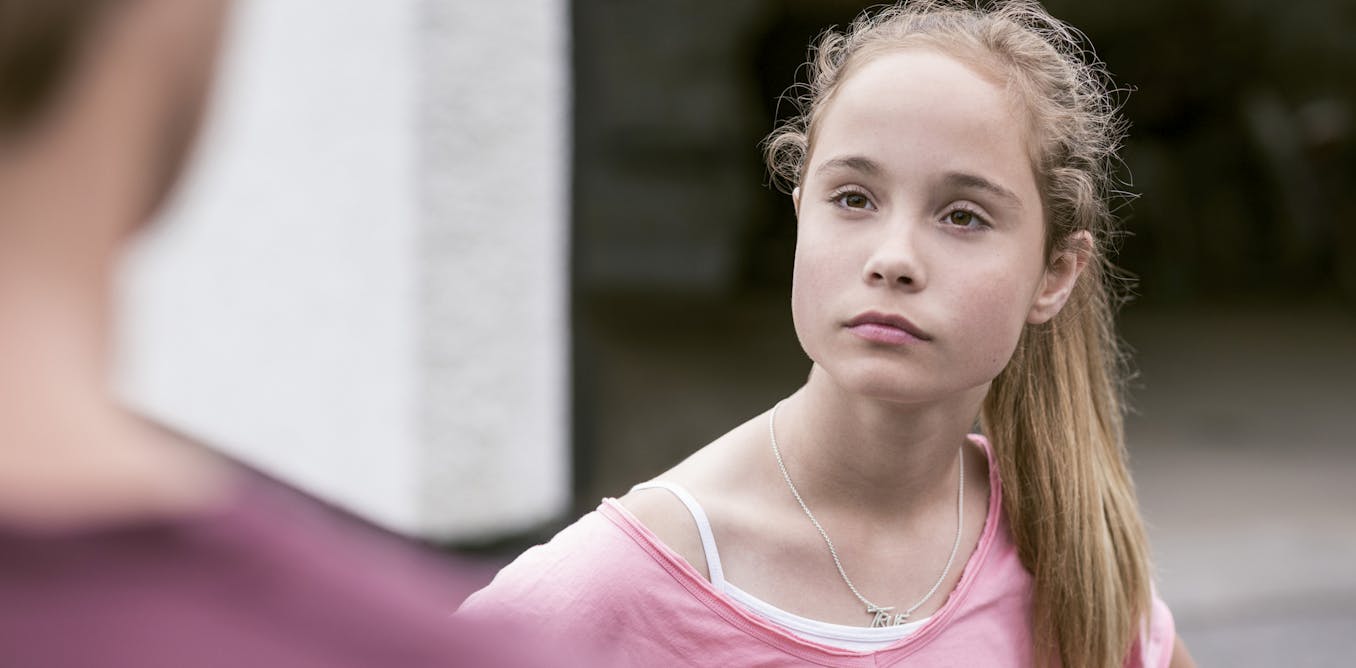
Australia’s social media ban, which started this week, means teens under the age of 16, have lost accounts to platforms such as TikTok, Snapchat and Instagram. … ¶It might help to explore the governement’s concerns about social media with your teen – but not as a lecture. The ban isn’t about social media being inherently bad, but about how platforms are designed. ¶You can talk about algorithms maximising engagement using the same mechanisms as gambling to encourage dependence and addiction. Or you can talk about how feeds are personalised to keep users scrolling for longer.
The term ‘big feelings’ is very offensive, childish and almost too indecent to publish, as it refers very literally to a girl's swollen private parts as if she were getting pregnant or trying to get pregnant. That is to say, the Australian government’s position is that the aforementioned TikTok, Snapchat and Instagram have essentially become platforms of child pornography on a very big scale.
Girls who have too much opportunity to express ‘big feelings’ for boys have been developing a very inappropriate social dating atmosphere online with boys who “don’t feel big enough.” The justification for the social media ban is most likely that Australian parents, members of parliament and their constituents do not want to raise their daughters to be whores or their sons to be locker room jocks.